How We Test Bungee Cords and Harnesses (And Why Most of the Market Doesn’t)
19 February 2026
Testing is not a marketing feature. It is an internal cost that most suppliers avoid — and operators pay for later.
In commercial eurobungee operation, components fail gradually, not catastrophically. Only systematic testing reveals when and how performance degrades.
Why visual inspection is insufficient
Visual checks detect:
- cuts,
- surface wear,
- obvious defects. They do not detect:
- elasticity drift,
- internal fiber fatigue,
- uneven load response,
- stitching degradation under cyclic stress. Testing bridges this gap.
What professional testing actually involves
Our testing focuses on:
- repeated load cycles under realistic operating conditions,
- elasticity retention over time,
- connector wear under dynamic movement,
- stitching behavior under asymmetric loads.
This data informs:
- replacement intervals,
- supplier selection,
- compatibility decisions.
Why most suppliers avoid testing
Because testing:
- is expensive,
- slows product turnover,
- exposes weaknesses.
Selling untested parts is cheaper — until operators start experiencing:
- inconsistent performance,
- unpredictable downtime,
- inspection pushback.
Testing as a business filter
Testing is not about perfection. It is about predictability.
Predictable components allow operators to:
- plan replacements,
- avoid emergency shutdowns,
- stabilize revenue during peak season.
Business conclusion
Suppliers who do not test are outsourcing risk to operators.
Professional operators choose tested components not for safety slogans — but for operational certainty.
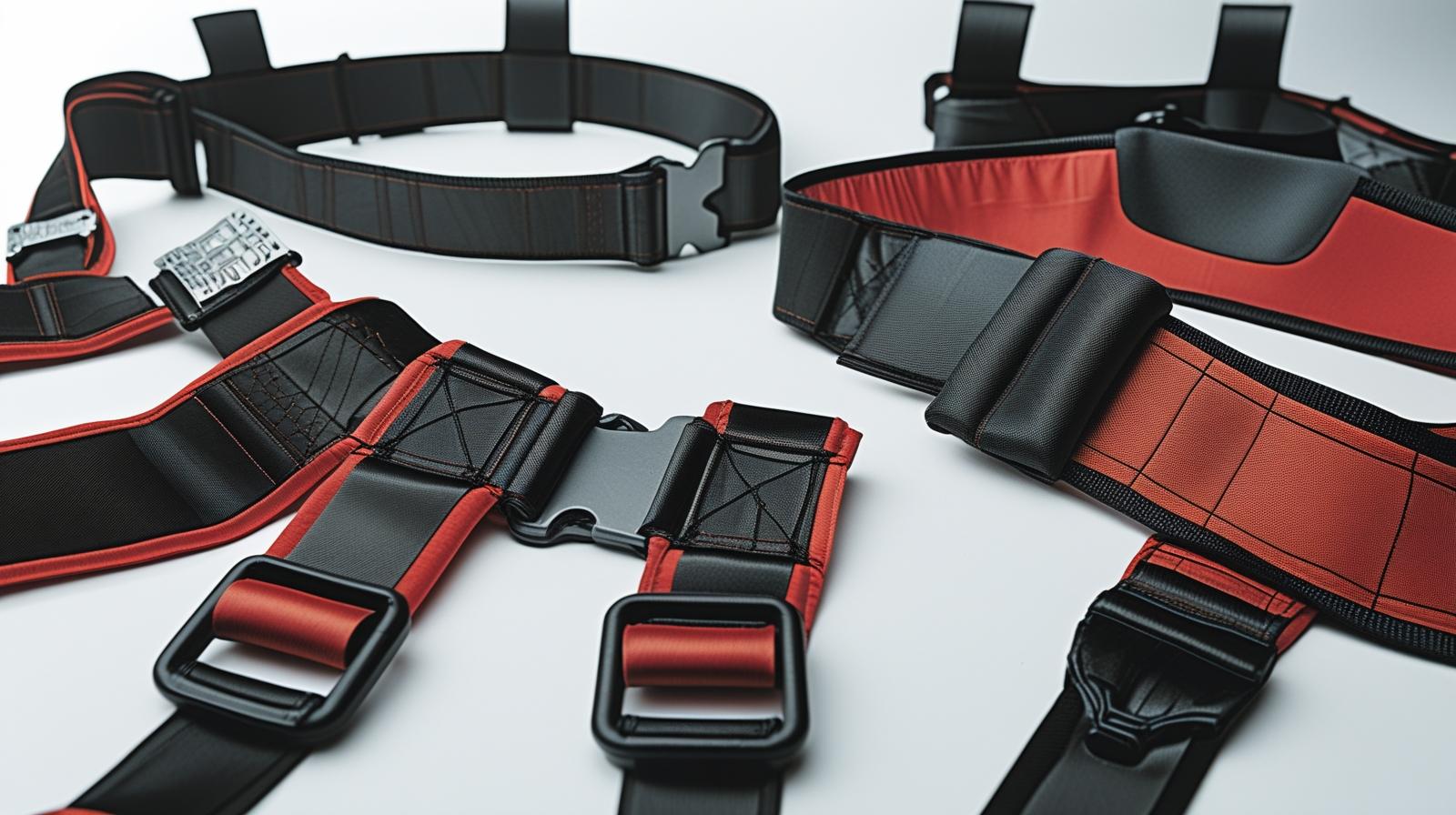
Tested bungee cords and harnesses used in professional operations: