How to Maintain Your Bungee Cords and Harnesses
18 February 2026
Proper maintenance of bungee cords and harnesses for bungee trampoline is not about extending lifespan at all costs — it is about safety, inspection readiness, and uninterrupted commercial operation.
In public-use attractions, maintenance is a business function, not a technical afterthought.
Why maintenance matters in commercial operation
In commercial environments, poor maintenance leads to:
- failed inspections,
- insurance rejection,
- forced shutdowns,
- reputational damage.
Most maintenance-related problems surface during:
- peak season,
- unannounced inspections,
- high-load event days.
This is when downtime is most expensive.
Bungee cords: wear, inspection, and replacement logic
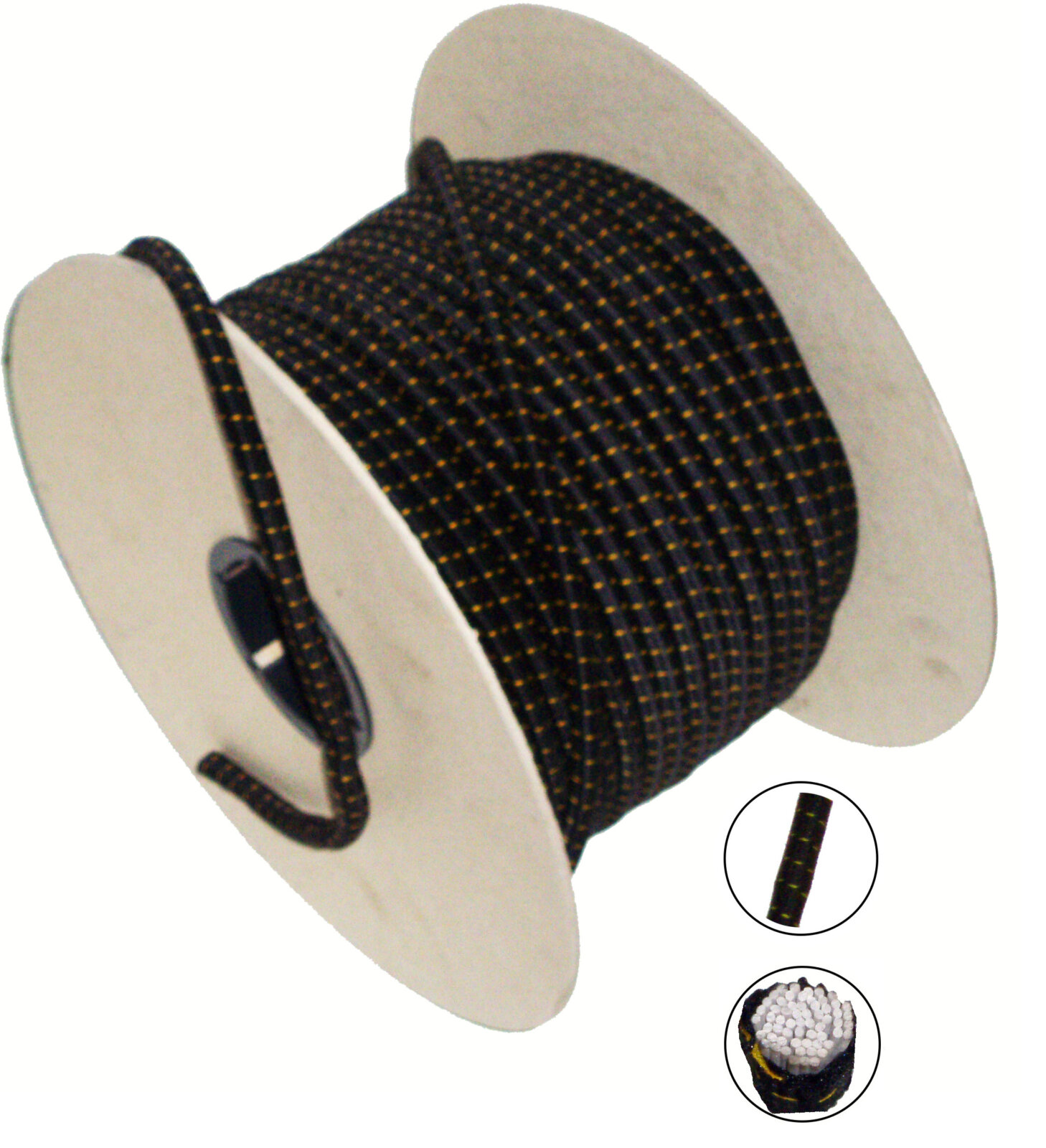
Bungee cords for bungee trampoline are consumable components. Their condition is affected by:
- number of cycles,
- user weight distribution,
- environmental exposure,
- overstretching. Inspectors typically look for:
- surface damage,
- loss of elasticity,
- inconsistent performance across stations. Visual inspection alone is not sufficient.
Replacement must follow defined intervals, not intuition.
Harnesses: a safety-critical component
Harnesses are the primary interface between:
- the attraction,
- the user,
- the operator’s liability. Common operational mistakes include:
- extended use beyond recommended intervals,
- mixing incompatible harness types,
- ignoring minor damage. Certified harnesses simplify:
- inspection procedures,
- documentation,
- insurance acceptance.
Documentation and inspection readiness
Maintenance is inseparable from documentation. Professional operators maintain:
- inspection logs,
- replacement schedules,
- maintenance records. This documentation:
- shortens inspections,
- reduces questions from authorities,
- protects operators in case of incidents.
Lack of documentation often leads to inspection delays even when equipment is technically sound.
Spare parts for eurobungy availability as part of maintenance strategy
Maintenance planning must include:
- guaranteed availability of cords and harnesses,
- predictable delivery times,
- compatibility across systems.
Waiting for parts during peak season leads to:
- idle equipment,
- lost revenue,
- frustrated organizers.
Spare parts availability is an operational requirement, not a convenience.
Business conclusion
Good maintenance does not increase costs.
Poor maintenance does.
Operators who:
- follow defined replacement cycles,
- document inspections,
- plan spare parts availability, operate with:
- fewer interruptions,
- faster approvals,
- higher long-term profitability.